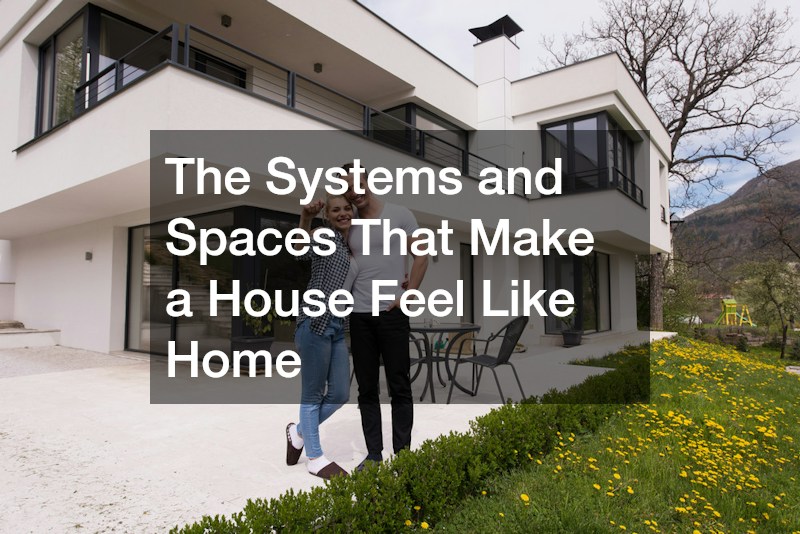
A house becomes a home through more than furniture, decorations, and personal belongings. The spaces where people cook, relax, work, sleep, gather, and complete everyday tasks all contribute to how a home feels. Just as important are the systems working quietly behind the scenes, from heating and cooling equipment to plumbing, windows, doors, and electrical components.
When these elements work together, daily life tends to feel easier and more comfortable. When one system begins to fail or a space no longer meets the household’s needs, even a beautiful home can become frustrating. Creating a welcoming home, therefore, involves thinking about both what you see and what you do not see.

Start With How Your Household Lives
Every household uses a home differently. A family with young children may need durable flooring and easily accessible storage, while someone who works from home may prioritize a quiet office and reliable temperature control. Entertaining frequently may make an open kitchen and comfortable gathering areas more important.
Before making significant changes, consider how your household moves through the house each day. Which rooms receive the most use? Where do people tend to gather naturally? Which areas feel cramped or inconvenient? Are there spaces that rarely get used because they do not serve a practical purpose?
These observations can guide improvement decisions. Rather than trying to make every room look like a showroom, focus on creating spaces that support the routines and activities that matter to the people who live there.
Understand the Systems Behind Comfort
Many of the features that make a home comfortable are easy to overlook because they operate in the background. Temperature regulation, hot water, ventilation, insulation, plumbing, electrical systems, and structural components all influence the experience of living in a house.
For example, a beautifully designed living room may not feel inviting if the room is consistently too hot or cold. A modern bathroom may be frustrating if the water supply is unreliable.
HVAC repairs may become necessary when heating or cooling equipment struggles to maintain comfortable temperatures, makes unusual sounds, or operates inefficiently. Addressing these issues can improve everyday comfort while helping prevent small problems from becoming more significant.
Homeowners should also consider the age and condition of major systems when planning improvements. Knowing when equipment was installed and how frequently it has required maintenance can help with long-term budgeting.

Create Rooms That Support Everyday Routines
A functional room should make its primary purpose easier to accomplish. A kitchen needs practical preparation and storage areas. A bedroom should encourage rest and organization. A home office should provide enough workspace and lighting for productive activities.
This does not mean every room needs a single purpose. Many homes benefit from flexible spaces that can adapt as household needs change. A guest room might double as an office, while an underused dining area could become a homework or hobby space.
Furniture placement can make a surprisingly large difference. Leave clear pathways between frequently used areas and avoid filling rooms simply because there is available floor space.
A comfortable home usually has a sense of openness without feeling empty. The goal is to give people enough room to move naturally while ensuring that useful items remain accessible.
Consider the Foundation of the Home’s Appearance
Surfaces play a major role in how a home looks and feels. Walls, ceilings, floors, doors, trim, and fixtures establish the visual foundation for furniture and décor.
Flooring is particularly influential because it extends throughout large portions of the house. When comparing options, consider durability, maintenance, moisture exposure, comfort, and how the material will work with the household’s daily routines.
A flooring company can help homeowners compare materials based on the requirements of different rooms. A durable surface may be particularly useful in high-traffic areas, while a softer or warmer material may be preferable in bedrooms.
Consistency can also help a home feel cohesive. That does not mean every room needs identical finishes, but connecting colors, textures, and materials throughout the house can create a more intentional overall appearance.

Protect the Home From Above
The roof is one of the most important components of a house because it protects the structure and its occupants from weather. It also affects insulation, ventilation, moisture control, and energy efficiency.
Roofing should therefore be considered as part of the home’s broader maintenance plan rather than as an isolated exterior feature.
Homeowners should periodically look for signs of deterioration, including damaged shingles, visible leaks, water stains, sagging areas, or problems around flashing and vents. Addressing concerns early can help reduce the potential for water damage inside the home.
Roof maintenance can also complement other exterior improvements. Gutters, siding, windows, and landscaping all interact with the home’s ability to manage rainwater and moisture.
Make Temperature Control More Consistent
A comfortable home should maintain reasonable temperatures throughout the seasons. Heating and cooling systems are central to this goal, but insulation, windows, doors, and ventilation can influence performance as well.
If certain rooms are consistently warmer or colder than others, homeowners should look beyond simply adjusting the thermostat. Poor insulation, air leaks, aging equipment, duct problems, or inadequate ventilation may contribute to uneven temperatures.
Regular maintenance can help keep equipment operating properly. Filters should be replaced according to manufacturer recommendations, while professional inspections can identify potential problems before they become major failures.
Energy efficiency should also be considered when planning upgrades. Improvements that reduce unwanted heat transfer can make rooms more comfortable while potentially reducing the workload placed on heating and cooling equipment.

Keep Hot Water Reliable
Hot water is another feature that homeowners may not think about until something goes wrong. Showers, laundry, dishwashing, and cleaning all depend on a reliable hot water supply.
If a system begins producing inconsistent temperatures, making unusual noises, leaking, or failing to provide enough hot water, water heater repair may be necessary.
When evaluating a home’s hot water system, consider its age, capacity, energy source, maintenance history, and household demand. A growing household may eventually need more capacity than the original system was designed to provide.
Planning ahead can also prevent an emergency replacement from forcing you into a rushed decision. Knowing the approximate age and condition of the equipment allows homeowners to research options before a complete failure occurs.
Improve Windows for Comfort and Light
Windows influence much more than a home’s appearance. They affect natural light, ventilation, outdoor views, temperature control, and noise.
Older or poorly sealed windows may allow unwanted drafts and temperature changes. Damaged frames can also contribute to moisture problems.
Residential window installation can provide an opportunity to improve both appearance and performance. Homeowners should consider frame materials, glass options, energy performance, installation methods, warranties, and the architectural style of the house.
Window placement matters as well. Natural light can make a room feel larger and more welcoming, while views of gardens, trees, or outdoor gathering areas can strengthen the connection between indoor and outdoor spaces.
Create a Strong Connection to the Outdoors
A home does not end at the exterior walls. Patios, porches, decks, gardens, yards, and entryways can become extensions of indoor living areas.
Outdoor spaces should be designed around how they will actually be used. A family that enjoys outdoor meals may benefit from a comfortable dining area, while someone who values privacy may prioritize landscaping or fencing.
When comparing fence companies, consider more than the appearance of individual fence styles. Think about durability, maintenance, privacy, security, property boundaries, and how the fence will complement the house and landscape.
Lighting can also make outdoor areas more functional after dark. Path lights, porch fixtures, and strategically placed landscape lighting can improve visibility while creating a welcoming atmosphere.
Make Entryways More Convenient
The entrance to a home sets the tone for the rest of the property. It is also one of the busiest transition areas, where people enter with shoes, bags, groceries, sports equipment, packages, and other belongings.
A well-planned entryway should make these transitions easier. Storage benches, hooks, shelves, cabinets, and baskets can help prevent clutter from spreading into the rest of the house.
The garage can also be an important part of this system. Garage door installation can improve access, security, insulation, and curb appeal, particularly when an older door has become unreliable.
Think about how the garage connects with the rest of the house. If household members regularly enter through the garage, creating a convenient place for coats, shoes, bags, and seasonal equipment can make everyday routines smoother.
Plan Renovations as Connected Projects
Large renovations often involve multiple trades and systems. A kitchen renovation, for example, may involve cabinetry, plumbing, electrical work, flooring, lighting, appliances, and structural changes.
This is where general contracting can become particularly useful. Coordinating multiple aspects of a project can help ensure that work is completed in an appropriate sequence and that different components fit together properly.
Planning the order of work matters. Plumbing and electrical changes generally need to happen before walls are closed, while flooring and finishing work may need to wait until heavier construction is complete.
A clear project scope can also reduce confusion. Before work begins, homeowners should understand what is included, which materials will be used, who is responsible for each task, and how changes will be handled.
Think About Future Needs
A home should work for the people living there today while remaining adaptable to future changes. Families grow, children become independent, work arrangements change, and hobbies evolve.
When planning renovations, consider whether a space can serve multiple purposes over time. A room designed as a nursery might eventually become a study, guest room, or hobby area. Flexible furniture and built-in storage can make transitions easier.
Homeowners planning new construction have an even greater opportunity to think ahead. A home building contractor can help translate lifestyle priorities into decisions about layouts, room sizes, storage, utilities, and exterior spaces.
Future planning does not require predicting exactly what life will look like years from now. Instead, it means avoiding designs that are unnecessarily restrictive.
Protect Indoor Air Quality
Comfort also depends on the quality of the air inside the house. Ventilation, humidity control, filtration, cleaning habits, and moisture management can all influence indoor conditions.
Bathrooms and kitchens should have appropriate ventilation to help remove excess moisture. Leaks should be addressed promptly, since persistent moisture can contribute to damage and unwanted biological growth.
Homeowners should also pay attention to signs of pest activity. If insects appear repeatedly or an infestation develops, a cockroach exterminator can identify problem areas and recommend appropriate treatment.
Keeping the home clean and dry is only one part of the equation. Good ventilation and timely repairs can help create a healthier and more comfortable indoor environment.
Make Maintenance Easier
A home feels more manageable when its systems are easy to monitor and maintain. Keep records of major installations, repairs, warranties, and maintenance appointments. Knowing when a roof was replaced or when major mechanical equipment was installed can make future planning easier.
Create a regular maintenance schedule for tasks such as filter replacement, gutter cleaning, appliance inspections, exterior checks, and seasonal preparations.
It can also help to learn where important shutoffs and controls are located. Homeowners should know how to shut off the main water supply and understand basic safety procedures for their home’s major systems.
Good maintenance does not eliminate every unexpected problem, but it can reduce surprises and extend the useful life of many components.
Balance Practicality With Personality
Functional improvements provide the foundation for a comfortable home, but personal touches are what make the space feel distinctly yours.
Artwork, photographs, books, plants, textiles, collections, and meaningful objects can communicate personality without requiring major renovations. Even practical rooms can include details that make them feel warm and inviting.
When selecting permanent materials, choose options that provide a foundation for your preferred style while leaving room for changes. Paint, accessories, furniture, and décor are generally easier to update than flooring, cabinets, windows, or fixtures.
This approach allows a home to evolve naturally. You can refresh the appearance without constantly undertaking expensive renovations.
Build a Home That Works Behind the Scenes
The spaces people see and the systems they rarely notice are equally important to the experience of living in a house. Reliable plumbing, comfortable temperatures, dependable doors and windows, durable surfaces, effective drainage, and well-designed rooms all contribute to a home that functions smoothly.
The most successful improvements are not necessarily the most dramatic. Sometimes a better-organized entryway, a quieter bedroom, a more reliable water heater, or a room with improved natural light can have a greater effect on daily life than a purely decorative renovation.
Ultimately, a home feels welcoming when it supports the people who live there. Thoughtful planning allows homeowners to create spaces that are comfortable, practical, personal, and prepared for the changing needs of everyday life.
A house becomes a home when its spaces and systems work together to support the people inside it. From the rooms where families gather to the infrastructure that keeps everything comfortable and functional, every part of a property contributes to the experience of living there.
By paying attention to maintenance, planning improvements around real household needs, and balancing practicality with personal style, homeowners can create spaces that feel more comfortable and purposeful. The result is not simply a better-looking house, but a home designed to make everyday life easier and more enjoyable.