
Water plays an essential role in nearly every part of a home. From providing clean drinking water and supporting everyday cleaning to keeping plumbing fixtures and appliances operating properly, a reliable water system makes daily life more convenient. However, managing water around a property involves more than simply turning on a faucet or checking for leaks. Homeowners also need to consider drainage, water quality, plumbing maintenance, well systems, and protection against moisture-related damage.
A complete approach to residential water management brings these different responsibilities together. Addressing potential problems early, maintaining essential equipment, and understanding how water moves through a property can help prevent costly repairs and preserve the home’s condition. Whether a property relies on municipal water or a private well, several important systems work together to support a dependable supply and protect the structure from unwanted moisture.

Keep Your Home’s Plumbing System in Reliable Condition
A home’s plumbing system includes an extensive network of pipes, fixtures, valves, and connections. These components work together to deliver clean water where it is needed and carry wastewater safely away. Because plumbing systems are used throughout the day, regular attention is important for maintaining reliable performance.
One of the simplest ways to support a home’s water management is to pay attention to changes in plumbing performance. Slow drains, unusual pipe noises, reduced water pressure, and recurring fixture problems may indicate underlying issues. Even seemingly minor changes can point to developing blockages, worn connections, or other concerns that deserve attention.
Building a relationship with a local plumber can make routine maintenance and unexpected repairs easier to manage. A qualified professional can inspect accessible plumbing components, identify potential concerns, and recommend appropriate repairs before problems become more disruptive. Professional evaluations are particularly useful for older homes, where pipes and fixtures may have experienced years of regular use.
Homeowners should also understand the location of their main water shutoff valve. Knowing how to access this valve can help limit water flow during an emergency involving a burst pipe or major leak. It is also useful to periodically check exposed plumbing beneath sinks, around toilets, and near appliances for visible signs of moisture.
Preventive maintenance does not eliminate every plumbing concern, but it can reduce the likelihood of unexpected failures. Keeping an eye on water pressure, addressing slow drains, and arranging professional inspections when necessary all contribute to a healthier plumbing system.
Recognize and Address Water Heater Problems Early
Water heaters are among the most frequently used appliances in residential properties. They supply hot water for showers, laundry, dishwashing, and many other everyday activities. Because homeowners often rely on these systems without thinking about them, developing problems can sometimes go unnoticed until performance declines or water damage occurs.
A water heater leak is one concern homeowners should never ignore. Water collecting around the base of a tank, moisture near connecting pipes, or unexplained puddles in a utility room may indicate a developing problem. Depending on the source, the issue could involve a loose connection, a pressure relief valve, corrosion, or a damaged tank.
Changes in hot water availability can also signal trouble. Water that takes longer to heat, fluctuating temperatures, unusual noises, or discolored hot water may indicate that the appliance needs professional attention. Sediment accumulation, aging components, and mechanical wear can all affect performance.
Regular maintenance can help extend equipment life and improve reliability. Depending on the system, maintenance may include inspecting connections, evaluating the pressure relief valve, and flushing accumulated sediment according to manufacturer recommendations. Tankless water heaters have different maintenance requirements, so homeowners should follow the appropriate service schedule for their equipment.
When problems develop, a plumbing contractor can evaluate the appliance and determine whether a repair or replacement is the more practical option. Prompt attention is particularly important when water is escaping near electrical equipment, finished flooring, or other materials that can be damaged by prolonged moisture exposure.
Homeowners should also consider the water heater’s age, capacity, and energy efficiency when planning future improvements. Selecting equipment that meets household demand can help provide dependable hot water without unnecessary energy consumption.
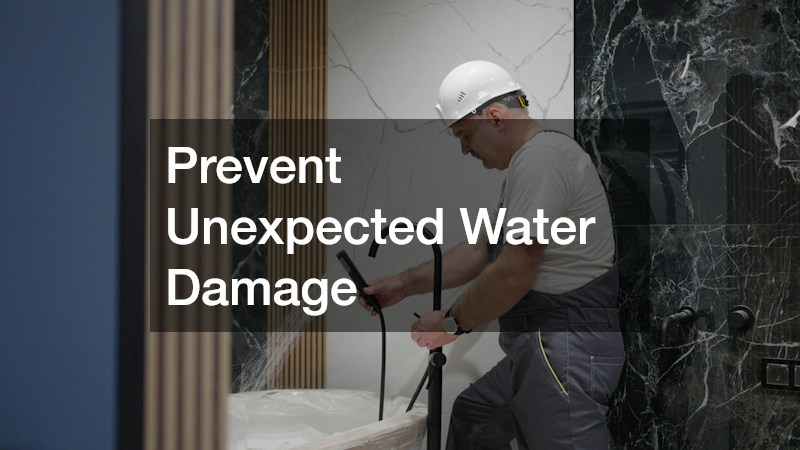
Protect Interior Spaces From Unexpected Water Damage
Water damage can affect nearly every part of a home, including flooring, drywall, insulation, cabinetry, and structural materials. While major flooding and burst pipes are obvious sources of concern, smaller leaks can also create significant problems when they remain undetected.
Water may enter a home through damaged plumbing, overflowing fixtures, leaking appliances, roof problems, or foundation openings. Once moisture reaches building materials, it can spread beyond the original source. This makes identifying and addressing the cause just as important as dealing with the visible damage.
Homeowners should pay attention to warning signs such as peeling paint, warped flooring, musty odors, discolored ceilings, and unexplained dampness. These conditions may indicate that moisture is accumulating behind walls, beneath floors, or in other concealed areas.
When an unexpected incident occurs, local water damage restoration professionals can help assess the affected areas and determine the appropriate recovery process. Depending on the extent of the damage, restoration may involve water extraction, structural drying, cleaning, removal of unsalvageable materials, and repairs.
It’s important to address water damage promptly because prolonged moisture can contribute to mold growth and deterioration. Simply drying the visible surface may not resolve the problem if water has reached insulation, subflooring, or wall cavities.
Homeowners should also keep records of significant water-related incidents, including photographs and information about completed repairs. These records can be useful when coordinating insurance claims, planning future maintenance, or evaluating recurring problems.
Maintain a Dependable Private Water Supply
Homes that rely on private wells have additional water management responsibilities. Unlike municipal systems, private wells generally require property owners to arrange their own maintenance and testing. Keeping the well system in good condition is important for maintaining a reliable water supply and identifying potential concerns.
A private well typically includes a well casing, pump, pressure tank, piping, and associated electrical components. Each part contributes to delivering water from the underground source into the home. Problems with any of these components can affect water pressure, availability, or overall system performance.
Homeowners considering a new private water source may need a water well drilling service to evaluate the property and complete the installation. Site conditions, local groundwater characteristics, property layout, and applicable regulations all influence the planning process.
Regular water testing is another essential part of private well ownership. Testing can help identify contaminants that may not produce noticeable changes in taste, smell, or appearance. Property owners should follow recommendations from local health authorities regarding testing frequency and the specific substances that should be evaluated.
It’s also important to protect the area surrounding the wellhead. Keep chemicals, fuels, fertilizers, and other potential contaminants away from the well. Ensure that the well cap remains secure and that surface water drains away from the casing rather than collecting around it.
Understand the Importance of Specialized Water System Equipment
Residential water management sometimes involves specialized equipment and technical processes that support construction, repairs, and infrastructure improvements. These processes may not be visible during everyday household activities, but they can play an important role in maintaining the systems that deliver and manage water.
For example, water jet cutting uses highly pressurized water, sometimes combined with an abrasive material, to cut through various materials with precision. This technology has applications in manufacturing, construction, and specialized industrial work. Its ability to produce precise cuts can be useful when working with materials that require careful shaping or fabrication.
Although it is not a typical residential plumbing maintenance procedure, specialized cutting methods can support projects involving equipment components, building materials, and infrastructure systems. Understanding the technology highlights how different technical services contribute to the broader systems that make modern water management possible.
Homeowners planning renovations or infrastructure improvements may encounter specialized processes when coordinating larger construction projects. Working with experienced providers helps ensure that the appropriate equipment and techniques are selected for the specific application.
It is equally important to distinguish between specialized industrial processes and routine residential plumbing work. Choosing qualified professionals for each part of a project helps maintain safety, appropriate workmanship, and compatibility with existing systems.
Plan New Water Systems Around Property Needs
Whether building a new home, expanding an existing property, or replacing an aging water supply, planning is essential. Water system requirements can vary significantly based on household size, property conditions, local regulations, and the intended use of the building.
For properties that need a new groundwater source, well drilling involves evaluating the site, determining an appropriate location, and creating access to an underground water supply. Geological conditions, groundwater depth, and local permitting requirements can all influence the process.
Proper planning should also account for the equipment needed to deliver water into the home. Pumps, pressure tanks, storage systems, and treatment equipment may be necessary depending on the well and the household’s water requirements.
Homeowners should think beyond immediate water availability when evaluating a new system. Future household needs, irrigation requirements, and potential property improvements may affect the amount of water the system should be capable of supplying.
It’s also important to consider how the new system will connect with existing plumbing. Appropriate pipe sizing, pressure regulation, and equipment placement can help support consistent performance throughout the home.
Taking time to evaluate these details before construction begins can reduce the likelihood of expensive changes later. A properly planned water system provides a stronger foundation for long-term residential comfort and functionality.
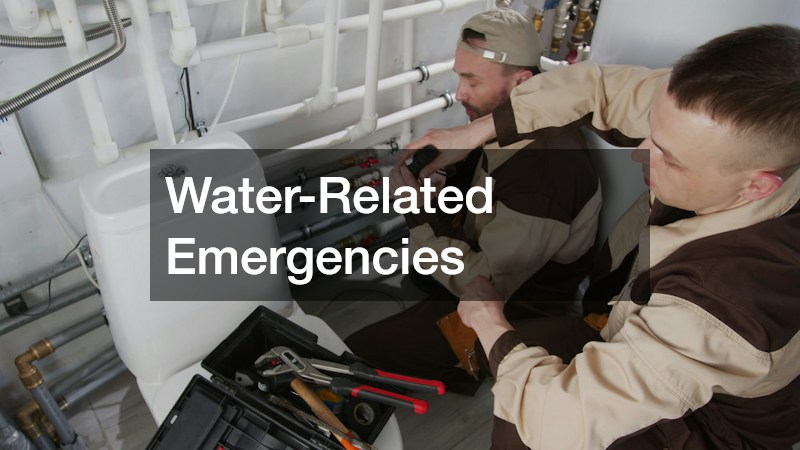
Respond Quickly When Water-Related Emergencies Occur
Even homes with well-maintained plumbing and drainage systems can experience unexpected water emergencies. A burst pipe, appliance failure, overflowing fixture, or severe storm can introduce large amounts of water into areas that are not designed to handle it.
When an incident occurs, the first priority should be addressing the source of the water when it is safe to do so. Shutting off the appropriate water supply can help limit additional damage. If electrical equipment or outlets have been exposed to water, homeowners should avoid the affected area and seek qualified assistance.
Professional water restoration can help return affected areas to a safe and functional condition. The process typically begins with evaluating the extent of the damage and determining which materials and spaces have been affected. Water removal and drying are then coordinated based on the conditions inside the property.
Specialized equipment may be used to remove standing water, circulate air, and reduce moisture in building materials. Depending on the incident, additional cleaning, sanitizing, and reconstruction may be necessary.
Homeowners should avoid assuming that a space is completely dry simply because visible water has disappeared. Moisture can remain trapped beneath flooring, behind walls, and inside insulation. Appropriate assessments and drying procedures help address these concealed areas.
Having a general understanding of emergency procedures can make unexpected incidents easier to manage. Knowing where shutoff valves are located and having important service contacts available can save valuable time when a problem develops.
Coordinate Professional Plumbing Work for Better Results
Water management often requires several different types of expertise. A homeowner may need help with a leaking fixture, a water heater replacement, a drainage concern, or a larger plumbing renovation. Coordinating these projects effectively can help maintain consistency throughout the home’s water system.
Experienced plumbing contractors can evaluate interconnected components and recommend solutions that address the underlying cause of a problem. This is particularly important when recurring issues affect multiple fixtures or areas of the property.
For example, repeated low water pressure could involve a clogged pipe, a faulty pressure regulator, a failing well pump, or another system-related concern. Replacing a single fixture may not resolve the issue if the actual problem exists elsewhere in the water supply network.
Professional evaluations can also help homeowners prioritize repairs. Some problems require immediate attention because they involve active leaks or potential property damage, while others may be appropriate for scheduled maintenance or future upgrades.
Before starting a larger project, homeowners should discuss the proposed scope of work, expected timeline, material requirements, and any applicable permits with plumbing services. Clear communication helps everyone understand the responsibilities involved and reduces the possibility of misunderstandings.
A dependable water management strategy is an investment in the comfort, efficiency, and longevity of a home. By paying attention to essential systems and taking preventive action, homeowners can maintain reliable water access while protecting their property from avoidable damage.