Not all home upgrades are created equal. Some improvements look impressive on the surface but offer little return when it’s time to sell, while others quietly boost both livability and resale value. The difference comes down to strategy. Smart upgrades focus on long-term efficiency, functionality, and appeal rather than trends that fade quickly.
Think of your home as a system rather than a collection of rooms. Each improvement—whether it’s structural, aesthetic, or mechanical—should support how the home performs as a whole. Buyers today are more informed than ever, and they notice when a property has been thoughtfully updated. The goal is to invest in changes that make everyday life easier while signaling quality and care to future buyers.
Another important shift is recognizing that value isn’t just measured in resale price. It’s also reflected in lower monthly costs, fewer emergency repairs, and a more comfortable living environment. When upgrades serve both immediate needs and future returns, they become far more worthwhile. Even small, intentional changes—like improving airflow or updating fixtures—can contribute to a bigger picture of overall value. Over time, these thoughtful upgrades create a home that not only sells better but lives better.
Creating a Cohesive Plan Before Starting Upgrades

Before picking out finishes or scheduling projects, it helps to step back and evaluate your home holistically. Imagine walking through your space as if you were seeing it for the first time. What feels outdated? What looks worn? What systems might raise concerns during an inspection?
A strong upgrade plan usually begins with prioritization. Instead of tackling projects randomly, group them into categories like structural needs, efficiency improvements, and aesthetic enhancements. This approach helps prevent wasted spending and ensures that each improvement builds on the last.
Working with experienced home contractors can be especially valuable at this stage. They can help identify which upgrades will deliver the best return and which ones might not be worth the investment. For homeowners thinking long-term, borrowing ideas from custom homes—like open layouts or integrated storage—can guide smarter design choices even in older properties.
Another helpful exercise is setting a realistic budget range for each category. Rather than assigning one large number, break it down into tiers. For example:
- Essential repairs and system upgrades
- Mid-range improvements that enhance comfort
- Optional upgrades that boost visual appeal
This layered planning method makes it easier to adjust as costs shift without losing sight of your overall goal. It also reduces the risk of over-improving in one area while neglecting others that may have a bigger impact on value. Planning ahead also allows you to bundle projects together, which can sometimes reduce labor costs and minimize disruption.
Improving Interior Lighting for Function and Appeal
Lighting is one of the most underestimated ways to increase home value. It affects how spaces feel, how large they appear, and even how clean and modern they look. A dim or poorly lit room can undo the impact of otherwise beautiful upgrades.
Start by observing how natural light moves through your home during the day. Then, complement it with layered artificial lighting. This typically includes ambient lighting for overall illumination, task lighting for specific activities, and accent lighting to highlight architectural features.
Outdated fixtures are often easy to spot. Swapping them for modern, energy-efficient options can instantly refresh a room. However, more complex updates—like adding recessed lighting or under-cabinet fixtures—often require professional lighting installations to ensure everything is placed correctly and safely.
There’s also a practical side to consider. Older wiring or overloaded circuits can limit your ability to upgrade effectively. In those cases, a residential electrician can evaluate your system and make necessary adjustments, allowing you to expand your lighting plan without risk.
One often overlooked detail is color temperature. Warmer tones can make living spaces feel inviting, while cooler tones may work better in kitchens or work areas. Getting this balance right adds subtle but noticeable value, especially during showings when ambiance plays a big role.
Increasing Efficiency Through Heating and Cooling Improvements
Energy efficiency is no longer a bonus feature; it’s an expectation. Buyers want homes that are comfortable year-round without excessive utility costs. That makes heating and cooling upgrades one of the most valuable investments you can make.
Start by assessing how well your current system performs. Uneven temperatures, frequent cycling, or rising energy bills are all signs that something needs attention. Sometimes, small adjustments—like sealing ductwork or upgrading a thermostat—can make a noticeable difference.
In other cases, it’s worth consulting a local hvac contractor to evaluate whether your system is properly sized and functioning efficiently. They can recommend upgrades that improve airflow, reduce strain on equipment, and extend the system’s lifespan.
Timely ac repairs also play a critical role. A system that struggles to keep up can raise red flags for potential buyers. Addressing these issues early not only improves comfort but also demonstrates that the home has been well maintained.
Over time, these improvements can significantly reduce operating costs, which is something buyers increasingly factor into their purchasing decisions. Efficiency isn’t just a selling point—it’s a long-term advantage.
Strengthening Plumbing Systems for Reliability and Savings

Plumbing issues tend to stay hidden—until they become expensive problems. That’s why addressing them proactively can significantly boost your home’s value.
Begin with a simple inspection mindset. Look for signs like slow drains, inconsistent water pressure, or unusual noises in your pipes. These small indicators often point to larger underlying issues.
Routine water heater service is one of the easiest ways to maintain efficiency and prevent unexpected failures. Whether your system is traditional or tankless, regular maintenance helps extend its lifespan and ensures it operates at peak performance.
Similarly, scheduling periodic drain cleaning services can prevent buildup that leads to clogs or backups. This isn’t just about convenience; it protects your plumbing infrastructure and reduces the likelihood of costly repairs down the line.
When plumbing systems are in good condition, they rarely draw attention—but that’s exactly the point. Buyers appreciate systems that simply work without concern, which adds confidence during the decision-making process.
Enhancing Exterior Appearance and Structural Integrity
First impressions matter. The exterior of your home sets expectations before anyone even steps inside. A well-maintained exterior suggests that the rest of the property has been cared for just as thoughtfully.
Start with the basics: clean surfaces, fresh paint where needed, and tidy landscaping. These simple steps can dramatically improve curb appeal without requiring a large investment.
Beyond aesthetics, structural elements deserve close attention. The condition of your roof, for example, plays a major role in both appearance and functionality. Working with experienced roofers ensures that repairs or replacements are done correctly, protecting your home from weather damage.
Fencing is another upgrade that offers both practical and visual benefits. A well-designed boundary can enhance privacy, improve security, and define outdoor spaces more clearly. Hiring a skilled fence contractor helps ensure the installation complements your property while meeting local requirements.
These improvements create a strong first impression that sets a positive tone for everything that follows and can even influence how buyers perceive the interior before they step inside.
Upgrading Kitchens and Bathrooms for Maximum Impact
If there are two areas that consistently influence home value, it’s the kitchen and bathrooms. These spaces combine functionality with style, making them key decision points for buyers.
That doesn’t mean you need a full renovation. In many cases, targeted upgrades can deliver impressive results. Replacing outdated hardware, updating countertops, or improving lighting can transform the feel of a space without requiring a complete overhaul.
The key is balance. Overspending on luxury finishes in a mid-range home rarely pays off, but ignoring outdated elements can hurt value just as much.
Experienced home contractors can help you find that middle ground. They understand which upgrades resonate with buyers and how to execute them efficiently. Drawing inspiration from custom homes can also elevate your approach, especially when it comes to layout and storage solutions.
Even small updates, when done thoughtfully, can make these spaces feel more modern and functional, which often leads to stronger offers and faster sales.
Designing Flexible Spaces for Modern Living Needs
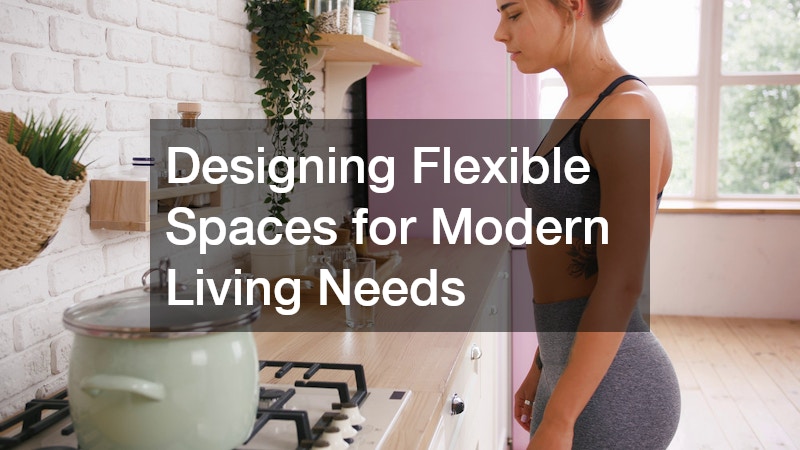
Homes today need to adapt. What was once a rarely used guest room might now serve as a home office, workout space, or hybrid living area. Creating flexibility within your layout can significantly increase appeal.
Start by identifying underutilized spaces. Then think about how they could serve multiple purposes without major structural changes. Often, simple adjustments can unlock new functionality.
Electrical updates are sometimes part of this process, especially when adding workstations or entertainment areas. A residential electrician can ensure these changes are both safe and efficient.
Looking at ideas commonly used in custom homes can also inspire creative solutions. Built-ins, sliding partitions, and multi-functional layouts can help maximize space while keeping the design clean and intentional.
Flexibility makes a home feel more future-ready, which is something many buyers are actively looking for in today’s evolving lifestyle landscape.
Addressing Maintenance Issues Before They Escalate
One of the most effective ways to increase home value is by preventing problems before they become visible. Maintenance may not be glamorous, but it plays a crucial role in preserving both function and appeal.
Think of it as risk management. Small issues—like minor leaks or inconsistent airflow—can grow into major concerns if left unchecked. Regular inspections and timely repairs keep your home in strong condition.
Working with a local hvac contractor for routine system checks can help identify inefficiencies early. Addressing these issues before they worsen not only saves money but also ensures consistent performance.
Similarly, staying on top of water heater service reduces the likelihood of sudden failures and keeps your system running efficiently.
A home that has been consistently maintained tends to stand out during inspections, often leading to smoother transactions and stronger offers. It also gives sellers more confidence when listing their property.
Improving Exterior Systems for Long-Term Durability
Durability is often overlooked in favor of aesthetics, but it’s a critical component of long-term value. Upgrading exterior systems ensures your home can withstand environmental stress while maintaining its appearance.
Roofing is a prime example. Even if it looks fine from the ground, underlying issues can lead to leaks or structural damage. Consulting professional roofers allows you to address potential problems before they escalate.
Drainage is another key factor. Poor water management can damage foundations, landscaping, and exterior surfaces. Regular drain cleaning services help maintain proper flow and prevent buildup that could lead to larger issues.
When these systems are functioning properly, they protect your investment quietly but effectively, reducing the risk of unexpected repair costs and preserving the home’s structural integrity.
Expanding Outdoor Living Spaces for Added Appeal

Outdoor living has become a major priority for homeowners. A well-designed exterior space can extend your living area and create new opportunities for relaxation and entertainment.
Start by thinking about how you’d like to use the space. Is it for hosting gatherings, enjoying quiet evenings, or creating a safe play area? Your answer will guide the design.
Adding features like patios or decks can dramatically increase usability. Enhancing the space with professional lighting installations allows it to remain functional after sunset, adding both ambiance and practicality.
Privacy also plays a role in comfort. A thoughtfully designed boundary installed by a fence contractor can make outdoor spaces feel more secure and inviting.
These upgrades often create a strong emotional connection, helping buyers envision themselves enjoying the space and increasing the perceived lifestyle value of the home.
Final Thoughts on Making Smart Upgrade Decisions
Increasing home value isn’t about chasing trends or making the most dramatic changes. It’s about making thoughtful, well-planned improvements that enhance both function and appeal.
The most successful upgrades are the ones that work together. They improve how your home performs, how it looks, and how it feels to live in. Over time, these changes add up—creating a property that stands out in the market while delivering real, everyday benefits.
By focusing on smart, strategic upgrades, you’re not just investing in your home’s future value—you’re improving your experience in the present as well.