Homeownership comes with many rewards, but it also brings unexpected challenges. Emergencies can happen at any time, often without warning, and knowing how to respond quickly can make a major difference in protecting your property and minimizing repair costs. From sudden leaks and broken systems to pest invasions and structural damage, many household issues require immediate attention. The faster you recognize the problem and take action, the better your chances of preventing additional damage to your home.
This guide explores several of the most common emergency home repairs and practical steps you can take to address them quickly. From stopping water leaks and restoring heating systems to handling fallen trees and pest infestations, these strategies can help you respond effectively when unexpected problems arise. With the right knowledge and preparation, you can protect your home and keep it safe, functional, and comfortable even when emergencies occur.
Stopping Leaks and Preventing Water From Entering Through Your Roof
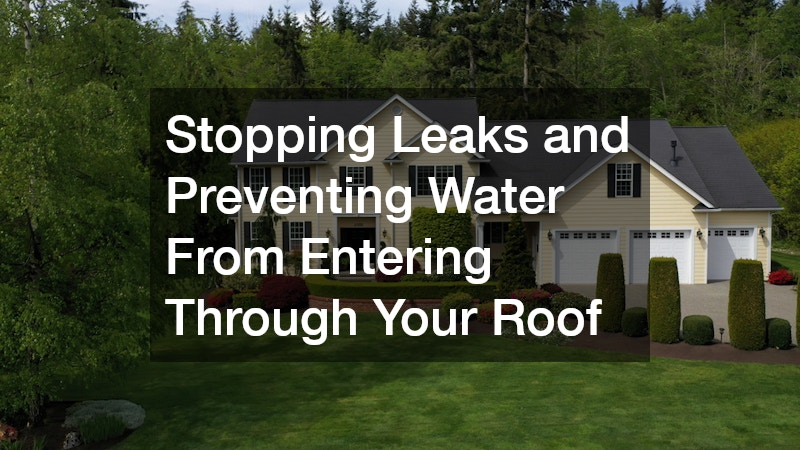
Roof leaks are one of the most common household emergencies, especially after heavy rain, storms, or strong winds. When water begins entering your home through the ceiling, it can quickly damage insulation, drywall, electrical wiring, and even structural supports. Acting fast is critical to preventing the problem from escalating.
The first step is identifying where the water is entering. Look for water stains on ceilings, damp insulation in the attic, or dripping water around vents and skylights. Sometimes the source of the leak is directly above the stain, but in many cases water travels along rafters before dripping into the home.
If you discover a leak during a storm, a temporary fix can help minimize damage until a permanent solution is applied. Placing a tarp over the affected area of the roof can block additional water from entering. Inside the home, buckets and towels can help manage the water while protecting floors and furniture.
Common causes of leaks include missing shingles, cracked flashing, damaged vents, and clogged gutters. Inspect these areas carefully when it is safe to do so. Minor issues like loose shingles can sometimes be temporarily secured using roofing sealant.
However, permanent solutions often require professional assistance. A qualified technician experienced in roof repair can properly identify the root cause of the leak and replace damaged materials to restore the roof’s integrity.
Routine inspections and maintenance help reduce the likelihood of leaks in the future. Cleaning gutters, replacing damaged shingles, and checking flashing around chimneys and vents can prevent water from finding its way into your home during severe weather.
Recognizing Warning Signs of Wastewater System Failure
A failing wastewater system can quickly turn into a serious sanitation and environmental issue. Many homeowners rely on septic systems to safely process and dispose of wastewater, but when these systems malfunction, they can create unpleasant odors, slow drains, and even sewage backups.
One of the earliest warning signs is slow drainage throughout the home. If sinks, showers, and toilets all begin draining slowly at the same time, the problem may be related to the septic system rather than individual plumbing fixtures.
Another major indicator is standing water or unusually lush grass around the septic drain field. Excess moisture in this area may signal that wastewater is not being properly absorbed into the soil.
Foul odors are also common when septic systems begin to fail. A persistent sewage smell inside or outside the home can indicate a blockage, damaged tank, or overloaded system.
Homeowners should also pay attention to gurgling sounds coming from drains or toilets. These noises may indicate air trapped in the plumbing system due to improper wastewater flow.
While minor clogs can sometimes be cleared with basic plumbing tools, septic system issues usually require professional evaluation. A reputable septic company can inspect the tank, pump out accumulated waste, and identify any structural problems that may be causing the failure.
Regular septic maintenance plays a critical role in preventing emergencies. Routine pumping, water conservation, and proper waste disposal practices can help keep the system functioning properly for many years.
Fixing Lawn Water Systems That Suddenly Stop Working
Automatic lawn irrigation systems provide convenience and maintain healthy landscaping, but they can also fail unexpectedly. When a sprinkler system stops working, lawns and gardens can quickly begin to suffer, especially during hot or dry weather.
The first step in diagnosing the problem is checking the system controller. A power outage, incorrect programming, or blown fuse may prevent the system from activating properly.
Next, inspect the water supply valve connected to the irrigation system. Sometimes the valve is accidentally turned off during maintenance or yard work.
Broken sprinkler heads are another common issue. Lawn mowers, foot traffic, or shifting soil can damage heads and prevent them from distributing water evenly. Replacing damaged heads is usually a straightforward task.
Clogged nozzles can also cause poor water flow. Dirt, grass clippings, and debris may block the openings and prevent proper spraying. Cleaning the nozzle with water or a small brush often restores functionality.
Leaks in underground pipes may also cause systems to stop working. Signs of underground leaks include soggy patches of lawn, reduced water pressure, or unusually high water bills.
If basic troubleshooting does not restore the system, it may be time to contact a professional for sprinkler repair. Experts can inspect valves, wiring, and underground pipes to locate hidden issues and restore the system quickly.
Regular seasonal maintenance helps prevent irrigation emergencies and keeps landscaping healthy throughout the year.
Troubleshooting Sudden Heating or Cooling System Failures
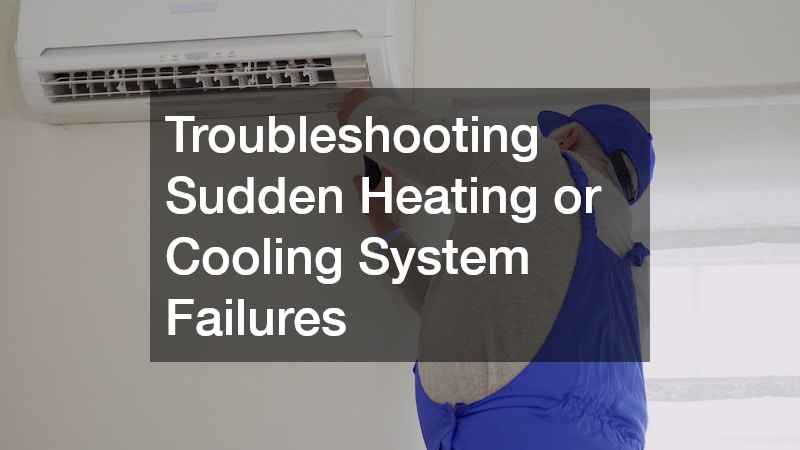
Few household emergencies are as uncomfortable as a heating or cooling system failure during extreme weather. Whether it’s a freezing winter night or a scorching summer day, HVAC problems can make a home unlivable very quickly.
The first thing homeowners should check is the thermostat. Dead batteries, incorrect settings, or accidental adjustments can prevent the system from operating properly.
Next, inspect the circuit breaker panel. HVAC systems require significant electrical power, and tripped breakers can shut down the unit entirely.
Dirty air filters are another common cause of system failure. When filters become clogged with dust and debris, airflow becomes restricted and the system may overheat or shut down.
Outdoor condenser units should also be inspected for debris. Leaves, dirt, and branches can block airflow and prevent proper cooling performance.
Strange noises, burning smells, or warm air blowing from vents when cooling is expected may indicate more serious mechanical issues.
In these cases, contacting an experienced HVAC contractor is the safest solution. Professional technicians can diagnose electrical problems, refrigerant leaks, or worn components that require replacement.
Preventive maintenance is the best way to avoid sudden breakdowns. Annual inspections, filter replacements, and system tune-ups help ensure reliable performance throughout the year.
Recovering Your Home After Major Water, Fire, or Storm Damage
Major disasters such as floods, fires, or severe storms can cause extensive damage to homes within minutes. Recovering from these events often requires immediate action to prevent further destruction and begin the restoration process.
Water damage is particularly dangerous because moisture can quickly lead to mold growth and structural weakening. Removing standing water and drying affected areas should begin as soon as possible.
Fire damage presents additional challenges. Even after flames are extinguished, smoke residue and soot can continue to damage walls, furniture, and air quality inside the home.
Storm damage may include roof destruction, broken windows, flooding, and fallen trees. Securing the property quickly helps protect it from additional weather exposure.
Professional assistance is often necessary when dealing with large-scale damage. A specialized restoration company can provide emergency services such as water extraction, structural drying, smoke removal, and debris cleanup.
These professionals also help homeowners document damage for insurance claims, which can speed up the financial recovery process.
Acting quickly after a disaster helps reduce repair costs and shortens the time required to restore your home to a safe and livable condition.
Eliminating Unwanted Pests Invading Your Home
Pest infestations can escalate rapidly if not addressed immediately. Insects and rodents often enter homes searching for food, warmth, or shelter, and once they settle in, they can be difficult to remove.
Common household pests include ants, cockroaches, termites, mice, and rats. Each type of pest presents unique risks and requires different control strategies.
One of the first steps in preventing infestations is sealing entry points around doors, windows, and utility openings. Small cracks and gaps provide easy access for insects and rodents.
Proper food storage and waste management also help discourage pests from invading your home. Keeping kitchen surfaces clean and storing food in sealed containers reduces attraction.
When pests become difficult to control, contacting a professional exterminator may be necessary. Pest control specialists can identify the source of infestations and apply targeted treatments to eliminate the problem safely.
Regular inspections and preventative treatments can help homeowners keep their living spaces pest-free year-round.
Dealing With Burst Pipes and Major Water Leaks
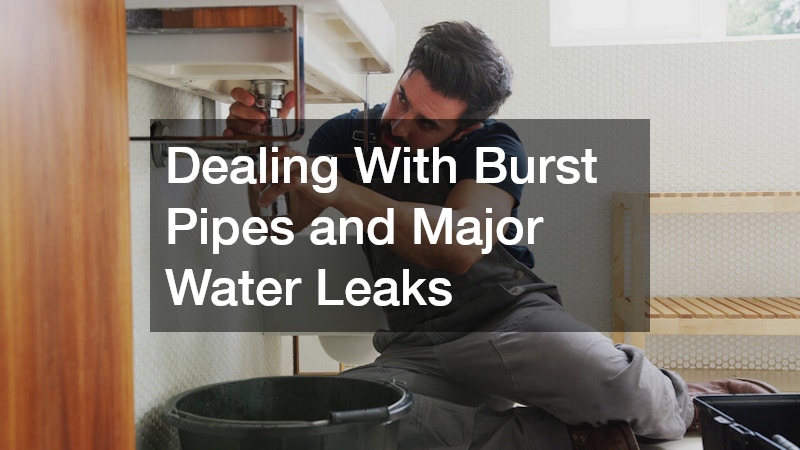
Burst pipes are among the most destructive plumbing emergencies a homeowner can face. When a pipe breaks, water can flood a home quickly, damaging floors, walls, and furniture.
The first step in handling a burst pipe is shutting off the main water supply. This stops additional water from entering the plumbing system and limits further flooding.
Next, homeowners should remove standing water and protect belongings from damage. Towels, mops, and wet vacuums can help with cleanup while waiting for repairs.
Cold weather is a common cause of burst pipes. When water freezes inside pipes, it expands and creates pressure that can cause pipes to crack or split.
Corrosion, aging pipes, and high water pressure can also lead to unexpected leaks.
While temporary patches may slow a leak, permanent repairs usually require professional expertise. Emergency plumbers have the tools and experience needed to locate the damaged pipe, replace it, and restore safe water flow.
Handling Dangerous or Fallen Trees Around Your Property
Severe weather can cause trees or large branches to fall unexpectedly, creating dangerous conditions around homes and yards. Fallen trees may damage roofs, vehicles, fences, or power lines.
If a tree falls on your property, the first priority is safety. Stay clear of downed power lines and unstable branches that could shift or collapse further.
Inspect the damage from a safe distance and document the situation for insurance purposes. Taking photos helps provide evidence when filing claims.
Small branches can sometimes be removed using basic yard tools, but larger trees require specialized equipment and expertise.
Attempting to remove heavy tree sections without proper tools can lead to serious injury or additional property damage.
Professional tree removal services are trained to handle hazardous situations safely. They use cranes, chainsaws, and safety equipment to remove fallen trees without causing further harm.
Repairing Damaged Frames That Let Air and Water Inside
Window frames play a critical role in protecting homes from outside elements. When frames become damaged or warped, they allow air drafts, water leaks, and pests to enter the home.
Signs of frame damage include visible cracks, soft wood, peeling paint, and condensation forming between glass panes.
Water infiltration around windows can lead to mold growth and wall damage if not addressed promptly.
Temporary solutions such as weatherstripping or caulking may reduce drafts, but severely damaged frames often require more extensive repairs.
Professional window frame repair services can replace rotted wood, reseal gaps, and restore structural stability.
Routine inspections and repainting wooden frames help protect them from moisture damage and extend their lifespan.
Fixing Structural Damage That Causes Smoke Ventilation Problems
Chimneys play an essential role in safely venting smoke and gases from fireplaces and heating systems. When chimneys become damaged, they may fail to properly direct smoke outside, creating dangerous indoor air quality issues.
Cracked masonry, damaged liners, and blockages inside the chimney are common causes of ventilation problems.
Signs of chimney damage include smoke entering the room, unusual odors, or visible cracks in the brickwork.
Bird nests, debris, and creosote buildup can also block airflow inside the chimney.
However, structural damage often requires professional chimney repair services to restore safe operation.
Technicians can inspect the chimney structure, repair cracks, replace liners, and ensure the ventilation system functions properly.
Addressing chimney issues promptly reduces fire hazards and protects indoor air quality.
Home emergencies are an unavoidable part of property ownership, but knowing how to respond quickly can make a significant difference in protecting your home and minimizing costly repairs. From roof leaks and plumbing failures to pest infestations and storm damage, many problems escalate rapidly if they are ignored or handled improperly. Understanding the most common emergency repairs allows homeowners to take immediate action when unexpected issues arise.
Many emergencies begin with small warning signs. Slow drains may signal septic problems, strange HVAC noises may indicate mechanical failure, and small roof leaks can quickly expand during heavy rainfall. Recognizing these early indicators helps homeowners address problems before they become full-scale disasters.
Ultimately, preparation and knowledge are the best defenses against unexpected home repair emergencies. By staying alert to warning signs, responding quickly to problems, and seeking professional help when necessary, homeowners can keep their properties safe, comfortable, and structurally sound. Taking these proactive steps ensures that even when emergencies occur, they can be resolved quickly and effectively, protecting both your home and your peace of mind.