
Preparing a house for the real estate market is a delicate balancing act between strategic financial investment and precise timing. Every dollar spent on pre-sale updates should deliver a strong return on investment, elevate your property’s overall market appeal, and significantly shorten its time on the market. Buyers today look far beyond basic aesthetic staging; they evaluate structural integrity, climate efficiency, outdoor living potential, and how seamless the property feels from the driveway to the backyard.
At the same time, preparing for a major relocation requires managing the complex logistics of clearing out years of accumulated items and organizing the physical transit of your household goods across town or across the country. Balancing structural exterior improvements, mechanical systems upgrades, property land management, and moving logistics can quickly feel overwhelming without a clear roadmap.
This comprehensive guide outlines the exact high-value home improvements and strategic prep steps to execute before placing your house on the market, helping you capture top dollar while streamlining your upcoming transition.
Elevating Exterior Envelope and Energy Efficiency
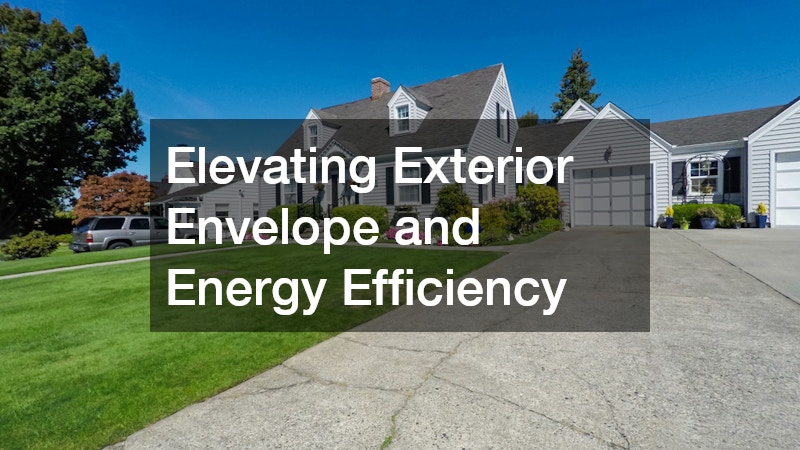
A home’s exterior creates the critical first impression for potential buyers as soon as they pull up to the curb. Upgrading worn structural surfaces and replacing outdated glass systems signals to buyers that the home has been meticulously maintained, drastically lowering their perceived deferred maintenance costs and making your listing stand out in competitive markets.
The physical condition of your home’s exterior wall surfaces sets the tone for the entire showing experience. Cracked, faded, or rotting exterior panels instantly lower property appraisal values and give buyers immediate leverage to demand price concessions during negotiations. Before listing, take time to thoroughly inspect lower wall sections, corners, and areas directly beneath gutters or downspouts for signs of moisture damage, warping, or wood rot that could fail a professional home inspection. Replacing tired, weathered wall coverings with durable fiber cement, insulated vinyl, or engineered wood panels dramatically sharpens exterior architectural lines while bolstering the home’s thermal boundary. Partnering with experienced siding contractors ensures that high-performance weather-resistant barriers and continuous exterior insulation layers are correctly installed behind new panels, protecting the home from moisture intrusion for decades to come.
Drafty, single-pane, or foggy double-pane glass units are major red flags for prospective buyers who are hyper-focused on rising monthly utility costs. Modern dual- or triple-pane window assemblies equipped with low-emissivity (Low-E) coatings reflect solar heat during scorching summer months and trap indoor warmth during winter, keeping your central climate control system from constantly overworking. Additionally, upgraded glass assemblies noticeably deaden outdoor noise from nearby roads, pets, or high-traffic neighborhoods, creating a quiet, premium sanctuary inside. Investing in energy-efficient windows consistently ranks among the highest ROI home improvement projects available to sellers, offering impressive cost recoupment rates during appraisals while serving as a prominent, attractive selling point in online listing descriptions.
Enhancing Indoor Climate and Backyard Living Spaces
Today’s real estate buyers view the backyard as an essential, seamless extension of the interior floor plan. Pairing modern indoor climate control systems with thoughtfully curated outdoor living zones creates an irresistible package for buyers seeking move-in-ready luxury and low operating overhead.
In modern real estate markets, window-unit air conditioners, wall units, or outdated evaporative coolers can instantly derail a potential sale or lower a home’s overall valuation bracket. Modern cooling units deliver superior Seasonal Energy Efficiency Ratio (SEER2) ratings, providing crisp, balanced airflow across every bedroom and living space while slashing monthly energy costs. During your pre-sale renovation phase, ensure a licensed HVAC professional inspects your existing ductwork to verify that it is sealed and sized correctly to handle a modern high-efficiency unit without pressure loss. Scheduling a professional central air installation completely eliminates noisy window units, giving buyers the turn-key indoor climate comfort they expect while unlocking higher appraisal values prior to listing.
Transforming a flat, underutilized back lawn into an inviting outdoor room adds functional square footage to your property without the extreme financial cost or length of full structural home additions. Positioning open-air wooden or aluminum shade frames over existing concrete patios or timber decks establishes defined zones for outdoor dining, cooking, and entertaining. Incorporating retractable canvas awnings, integrated ambient lighting, or climbing greenery turns standard patio spaces into resort-style retreats that shine in listing photographs. Constructing high-end pergolas creates immediate visual anchor points in your backyard, making outdoor spaces feel expansive, structured, and inherently luxurious to prospective buyers touring the grounds.
Land Management and Waste Disposal Prep

Before photographers arrive or open houses begin, your property grounds must be cleared of dangerous dead trees, overgrown brush, and decades of accumulated household clutter. Proper site preparation ensures physical safety, improves natural light, and opens up expansive sightlines across the lot.
Large, dying trees or overgrown branches hanging directly near rooflines pose severe structural liabilities that can trigger immediate flags during the buyer’s home inspection phase or disrupt homeowners’ insurance approvals. Dead limbs, rotting trunks, and invasive root systems threaten home foundations, driveways, underground utility pipes, and roof shingles during severe weather events. Trimming back dense, overgrown tree canopies allows abundant natural sunlight to fill interior living rooms and brightens up front lawn curb appeal. Hiring certified tree removal services guarantees that hazardous limbs and massive tree trunks are safely dismantled and hauled away without damaging existing structures, utility lines, or neighboring properties.
Major pre-sale repairs, landscaping overhauls, and deep room purges generate substantial amounts of heavy, bulky debris that standard curbside residential trash collection will not accept. Old drywall, rotted deck boards, torn-out carpet, and broken concrete require dedicated heavy-duty disposal containers on-site to keep the property safe and tidy. Purging broken furniture, rusted lawn equipment, and leftover building materials prior to packing reduces overall volume, cutting eventual moving expenses down significantly. Renting commercial roll-off dumpster services gives homeowners a central, heavy-duty waste container parked conveniently in the driveway to handle massive volumes of renovation debris efficiently during high-intensity prep weeks.
Staging a home effectively requires stripping away personal items, bulky old furniture, and basement clutter so buyers can easily visualize themselves living in the space. Attics, basements, walk-in closets, and multi-car garages should be thoroughly cleared out so potential buyers can clearly evaluate structural framing and actual storage capacities. Donating usable household items and recycling old electronics or scrap metals keeps waste out of local landfills. Scheduling a dedicated junk removal team allows sellers to clear out entire rooms of unwanted clutter, old exercise equipment, and non-working appliances in a single afternoon without physical strain.
Organizing Transit and Final Relocation Logistics

Once home improvements are complete and your property goes under contract, focus shifts entirely to executing a stress-free, organized transition out of the home. Securing professional moving help guarantees that newly updated walls, freshly painted trim, and refinished floors remain pristine during the move-out process.
Moving out of a freshly remodeled home requires extreme care to prevent scuffing wall paint, scratching hardwood floors, or denting door frames. Professional movers utilize heavy floor runners, door jamb protectors, and padded moving blankets to shield the home’s interior finishes as heavy furniture items exit the property. Outsourcing the heavy lifting of furniture, appliances, and delicate glassware prevents personal injury during an already stressful period. Securing an experienced moving service ensures that your household goods transition out smoothly on schedule, leaving the home in immaculate condition for the buyers’ final walkthrough.
Managing a multi-room household relocation requires structured timelines, detailed inventory sheets, and specialized equipment to keep boxes organized by destination room. Numbering boxes and applying color-coded labels corresponding to specific rooms in your new home prevents chaos during the unpacking phase. Fragile antiques, heavy home safes, and oversized sectional furniture demand custom wooden crates, heavy-duty tie-down straps, and hydraulic lift gates for safe transit. Utilizing dedicated residential moving services provides access to full-service professional crews that handle packing, loading, transport, and unloading with complete peace of mind.
If your home sale is tied to an out-of-state job transfer or cross-country move, coordination becomes exponentially more complex, requiring fixed delivery windows, interstate transit permits, and climate-controlled transport vehicles. Coordinating real estate closing dates across state lines means your moving schedule must be tightly managed and completely reliable. Long-haul relocations require dedicated truck space, air-ride suspension vans, and real-time tracking technology to protect your possessions across highway miles. Partnering with established long-distance movers ensures total compliance with federal interstate regulations while guaranteeing your personal belongings arrive safely at your new destination on time.
Mastering the Appraisal and Home Inspection Processes
Beyond attracting buyers, strategic pre-sale updates serve a critical second function: protecting your sale price during appraisal and inspection contingencies. Once an offer is accepted, lender appraisals and buyer inspections present two major hurdles where deals frequently stall or renegotiations occur. Having a clear, well-documented paper trail of your property updates gives you powerful leverage.
Compile an exhaustive home maintenance log detailing all structural, mechanical, and aesthetic upgrades completed prior to listing. Include invoices, warranty documents, energy ratings, and contractor permits for major work like HVAC installations, exterior cladding, window replacements, and professional tree work. Presenting this physical packet directly to the appraiser during their walkthrough justifies a higher valuation and proves that the home lacks hidden deferred maintenance issues.
During buyer inspections, visible improvements like clear rooflines, newly sealed window assemblies, and clean, clutter-free utility areas set a positive tone. Inspectors are far less likely to scrutinize minor cosmetic issues when major structural boundaries, electrical panels, and cooling systems appear updated and professionally maintained. Addressing red flags beforehand prevents buyers from asking for heavy repair credits at the eleventh hour.
Complete Pre-Sale and Relocation Action Plan

To ensure your home pre-sale updates and relocation preparations stay on track without overwhelming your family, follow this structured, chronological execution roadmap starting twelve weeks before your target listing date:
Weeks 12 through 9: Structural Contracting and Major Renovations
- Exterior Assessment: Schedule professional consultations with licensed exterior contractors to evaluate your siding, roof, and window systems for rot, energy loss, or aesthetic wear.
- Mechanical Systems: Book HVAC technicians to inspect existing ductwork and execute any necessary central air conditioning upgrades or full system replacements.
- Outdoor Construction: Obtain required municipal permits and begin construction on pergolas, decks, or outdoor patio spaces to expand functional yard square footage.
Weeks 8 through 5: Property Clearing and Waste Management
- Tree and Yard Care: Bring in professional arborists to remove dead trees, trim low-hanging branches away from the roofline, and clear hazardous root systems.
- Dumpster Delivery: Order a roll-off dumpster delivered to your driveway to receive demolition waste from ongoing renovations and heavy yard cleanup.
- Interior Decluttering: Work room-by-room through attics, basements, and garages, hiring a professional haul-away crew to clear out unwanted furniture, junk, and appliances.
Weeks 4 through 1: Staging, Listing, and Relocation Execution
- Staging and Photography: Complete interior paint touch-ups, deep clean every surface, and arrange professional staging before real estate photos are taken.
- Moving Logistics: Finalize contracts with full-service residential movers or long-distance carriers, establishing firm pickup and delivery dates aligned with your closing schedule.
- Final Walkthrough Preparation: Utilize protective floor runners and door guards on moving day to ensure all newly renovated surfaces remain spotless for the buyer’s handover.
Maximize Your Home Sale and Move With Confidence
Investing strategically in high-impact exterior upgrades, modern indoor climate systems, clear landscaping, and efficient clutter removal drastically elevates your home’s market value, appraisal rating, and buyer appeal. By balancing smart, high-ROI renovations with early professional relocation planning, you maximize your net profit at the closing table while enjoying a seamless transition into your next home. Don’t leave equity on the table or stress over last-minute relocation logistics. Taking a structured, proactive approach to your pre-sale prep guarantees that your property stands out in any market environment, delivering maximum financial returns and complete peace of mind from listing day to move-in day.
Additionally, consider staging your home to highlight its best features, making it more inviting to potential buyers. A clean, organized space allows them to envision themselves living there, boosting your chances of a quicker sale. Collaborating with real estate professionals who understand your market can also provide invaluable insights, ensuring that your pricing strategy and promotional efforts are on point. By combining these strategies, you’re not just selling a property; you’re showcasing a lifestyle that buyers will be eager to invest in.