For most homeowners, purchasing a home is the single largest financial investment they will ever make. It is a milestone that brings a profound sense of pride, security, and long-term financial opportunity. Yet, too often, the ongoing strategy required to protect that equity gets lost in the shuffle of daily life. It is easy to view a home as a static asset—something that simply sits there while gaining value year after year. The reality, however, is that a house is a dynamic system of mechanical components, structural elements, and exterior barriers that continually battle weather, soil movement, and natural wear and tear.
When maintenance is deferred or strategic improvements are postponed, subtle wear transforms into severe damage. A tiny hairline crack in a ceiling or a minor flicker in an air conditioner can gradually evolve into tens of thousands of dollars in emergency repairs, directly eroding the financial returns you hope to realize upon selling. Proactive financial planning allows you to move from reactive crisis management to strategic wealth preservation. By understanding how to allocate your capital toward targeted improvements, you can systematically shield your equity, enhance your day-to-day quality of life, and ensure that your property remains a strong asset for decades to come.
Building a Resilient Home Preservation Reserve
Managing the finances of homeownership requires a shift in mindset from simple expense tracking to active capital allocation. Every physical component of a building has a finite lifespan, and an effective budget anticipates these lifespans long before an active failure occurs. Setting up a structured reserve fund eliminates the panic associated with surprise structural or mechanical issues.
Calculating Your Annual Capital Reserve
Financial advisors and property managers frequently point to the standard rule of setting aside one to three percent of your home’s total market value each year for ongoing preservation and key capital improvements. On a four-hundred-thousand-dollar property, this equates to an annual reserve between four thousand and twelve thousand dollars.
If your home is relatively new, staying near the lower end of that spectrum may suffice, whereas older construction with aging infrastructure demands a higher target. Establishing a dedicated, high-yield savings account purely for home equity preservation prevents these funds from being absorbed into general household spending.
To calculate your annual reserve target, multiply your total property value by your target reserve rate (between 1% and 3%).
Prioritizing Projects by Risk and Financial Return
Not all home projects yield the same financial result, nor do they carry the same urgency. To budget effectively, group potential upgrades into three distinct categories:
- Urgent Risk Interventions: Upgrades that halt active deterioration or prevent severe structural liability.
- System Efficiency Enhancements: Capital expenditures that reduce recurring operating costs, such as monthly utilities, while protecting internal components.
- Value-Adding Lifestyle Features: Improvements that expand living area or market appeal, capturing high buyer interest when listed.
Capitalizing on Off-Peak Project Timing
Contractor pricing fluctuates significantly depending on seasonal demand. Booking major thermal, structural, or exterior projects during local slow seasons—such as late autumn for outdoor spaces or early spring for heating evaluations—gives you greater leverage to negotiate rates and secure experienced crews. Planning these timelines early in the calendar year also allows you to bundle related trade work, reducing contractor mobilization fees and securing preferential scheduling slots before peak seasonal rushes begin.
Protecting the Core Structure and Boundary Line
Imagine walking down into your basement or lower level and noticing that doors are beginning to stick in their frames, or a fine line of drywall dust has settled along the baseboard. These subtle cosmetic annoyances are frequently the early warning signs of subterranean shifting. The physical ground beneath a foundation moves in response to rainfall cycles, soil expansion, and drainage patterns. Ignoring these minor shifts allows structural torque to spread throughout the framing, compromising everything from windows to plumbing joints.
When soil instability threatens the foundation, hiring a certified house leveling company becomes a non-negotiable step in asset protection. Correcting foundation movement early stabilizes the load-bearing elements of the house, preventing severe cosmetic framing cracks and ensuring that future buyers do not demand major price concessions during pre-sale structural inspections. Beyond foundation stability, protecting sub-grade drainage channels ensures that shifted soil does not trap hydrostatic pressure against basement walls during seasonal thaw cycles.
Beyond the immediate foundation, guarding the physical perimeter of your parcel plays a crucial role in managing liability and establishing defined property boundary value. Installing a low-maintenance aluminum fence creates a durable, rust-resistant barrier that clearly demarcates your lot line while providing security for children and pets. Distinct boundaries prevent neighbor disputes, reduce property liability risks, and add crisp curb appeal that immediately signals to the market that the property has been meticulously maintained. Investing in high-grade boundary markers also reassures future buyers during title searches and official survey reviews, eliminating boundary ambiguity before closing.
Managing Environmental Controls and Thermal Losses
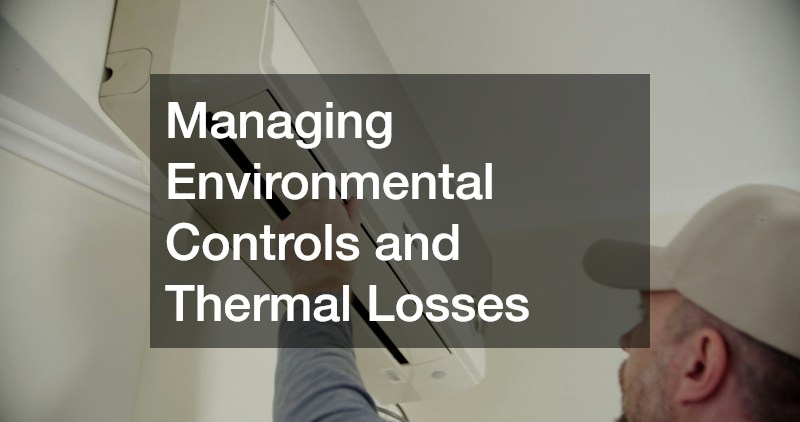
Picture a blistering mid-summer afternoon where the indoor temperature steadily creeps upward despite the furnace fan running continuously. The living room feels sticky, the system groans under constant stress, and the monthly power bill reaches an all-time high. This scenario illustrates what happens when internal climate equipment reaches the end of its useful life while thermal boundaries leak conditioned air into the surrounding environment.
Step 1: Evaluate System Performance and Lifespan
Check the age and seasonal energy efficiency ratio of your current mechanical cooling hardware. If the unit is over twelve to fifteen years old and requires frequent refrigerant top-offs, schedule a professional ac installation to replace it with a high-efficiency modern system. A modern unit reduces monthly operating overhead immediately while eliminating the risk of a total system failure during peak heat waves.
Step 2: Perform a Whole-Home Air Leakage Audit
Inspect the spaces between your living quarters and unconditioned zones, such as attics, crawlspaces, and exterior walls. Drafts, uneven room temperatures, and rising utility charges typically point to compromised or outdated thermal barriers.
Step 3: Upgrade the Thermal Envelope
Contract a licensed insulation contractor to seal air gaps and install dense blown-in or spray insulation throughout attic spaces and perimeter walls. Proper installation stops thermal bridging, keeps indoor air comfortable year-round, and prevents warm moisture from rising into the attic structure where it can rot roof decking.
Step 4: Establish Continuous Monitoring
Install a programmable or smart thermostat to monitor indoor climate metrics and optimize cooling schedules based on occupancy, reducing mechanical strain on your upgraded equipment.
Modernizing Water Distribution and Interior Plumbing
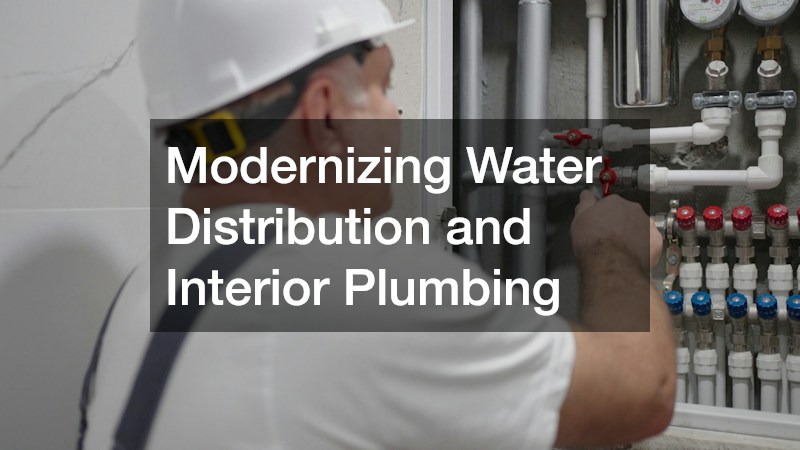
Water is simultaneously the most vital resource in a residential property and its most destructive adversary. A uncontrolled leak, backup, or drainage failure can cause tens of thousands of dollars in sudden interior loss, stripping away home equity in a matter of hours. Managing plumbing systems requires both supply-side precision and interior space waterproofing.
Reflecting on a homeowner’s experience during a heavy spring storm brings this risk into sharp focus. A homeowner notices the basement floor drain bubbling back up as groundwater levels rise around the foundation. Without an efficient, dedicated mechanical pump to push water away from the structure, the basement floods, destroying finished walls, flooring, and stored belongings.
Investing in a high-capacity water pump installation—whether for primary supply well delivery or sub-grade sump evacuation—provides critical insurance against groundwater intrusion and ensures steady, reliable water pressure throughout the house. Modern dual-pump configurations with battery backup systems offer redundant protection, ensuring continuous operation even during regional storm power outages. Furthermore, maintaining proper pressure regulation prevents micro-bursts in secondary appliance supply lines.
Inside the living space, water management takes on a design and aesthetic focus. Wet rooms receive the highest degree of daily wear and tear. Over time, failing grout, dated plumbing connections, and porous materials lead to hidden moisture accumulation behind walls.
Planning a comprehensive bathroom remodel allows you to tear out aging subfloors, install modern waterproof membranes, and integrate high-efficiency fixtures. This dual-purpose investment prevents catastrophic internal moisture damage while yielding one of the highest percentage returns on equity during resale, as buyers consistently place a premium on updated, spa-like bathrooms. Modernizing shut-off valves and supply lines during this phase further reduces the risk of sudden pressure ruptures.
Eliminating Wildlife Encroachment and Enclosure Failures
The exterior shell of a house is designed to keep weather out, but nature constantly tests these boundaries. Small gaps in eaves, deteriorating garage seals, or unsealed vents act as open invitations for unwanted pests, while aging mechanical access points create security vulnerabilities.
Major exterior shell vulnerabilities include:
- Unsealed gables and eaves: Leads to nesting wildlife and chewed electrical wiring.
- Aging garage door seals: Results in thermal loss and increased risk of forced entry.
- Deteriorated roof venting: Causes water intrusion, interior rot, and mold growth.
When wildlife makes its way into your attic or floor joists, the damage extends far beyond noise. Squirrels, raccoons, and bats shred thermal insulation, contaminate living boundaries, and chew through electrical wiring, creating severe fire hazards. Partnering with a professional animal removal service ensures that pests are safely evicted, entry points are structurally sealed, and damaged building materials are remediated before long-term health and safety issues arise. Prompt intervention protects air duct networks from biological contamination and preserves the thermal efficiency of existing attic insulation. Routine roofline inspections following severe windstorms also help catch minor structural gap breaches before animals locate them.
At the same time, large vehicular openings represent a major point of vulnerability for energy loss and structural wind resistance. Old, uninsulated overhead doors let cold air sweep into adjacent living spaces, strain heating systems, and offer minimal security.
Executing a modern garage door installation upgrades the building’s thermal performance, protects stored equipment, and dramatically elevates the home’s front profile. Because the garage door makes up a massive portion of a home’s street-facing facade, this single project regularly ranks near the very top of national home improvement cost-versus-value studies. Modern tracks and heavy-duty weather stripping also minimize dust and moisture infiltration during seasonal weather shifts.
Balancing Leisure Upgrades with Long-Term Valuation
Beyond basic structure, utility systems, and environmental boundaries, many homeowners desire lifestyle additions that transform their yard into an outdoor living retreat. While leisure projects deliver exceptional personal enjoyment, they require careful financial planning to ensure they contribute positively to overall property value rather than turning into maintenance money pits.
Maximizing ROI on Outdoor Living Spaces
Building custom outdoor entertainment zones expands the usable square footage of your property at a fraction of the cost of indoor room additions. Framing out durable timber or composite decks creates an inviting, seamless transition between internal living rooms and outdoor yards.
When planned with weather-resistant materials and proper ledger-board flashing, outdoor platforms require minimal ongoing maintenance while appealing strongly to prospective buyers who prioritize outdoor cooking, dining, and entertaining space. Combining your indoor square footage with your dedicated outdoor entertaining areas effectively increases your total functional living area. Strategic placement relative to prevailing winds and sun exposure also extends the usable seasonal months of your outdoor space.
Evaluating Luxury Water Features
Installing major swimming amenities represents a significant capital outlay that requires a clear understanding of regional buyer preferences and ongoing operational costs.
- Climate Considerations: In warmer southern climates, a professional pool installation serves as a near-essential feature for high-end properties, directly driving buyer demand and premium offers.
- Operational Expenses: In northern climates, seasonal opening, closing, heating, and chemical balance costs must be factored into your annual maintenance budget alongside initial construction expense.
- Safety Integration: Always pair major water additions with secure enclosure fencing and self-latching gates to protect liability and lower home insurance premiums.
By balancing lifestyle preferences with practical maintenance planning, you can enjoy premium outdoor amenities today without compromising your financial returns tomorrow.
Protecting Equity Through Strategic Planning
Preserving and building home equity is not the result of random luck or last-minute panic when something breaks. It is the direct outcome of a disciplined, proactive maintenance strategy that balances structural stability, mechanical efficiency, and high-impact visual improvements. Every dollar you assign to high-ROI upgrades acts as a defensive shield for your broader financial portfolio.
Take time this week to walk your property with a critical eye. Inspect your foundation, assess the age of your mechanical systems, check your exterior enclosures, and review your dedicated home maintenance reserve fund. By addressing vulnerabilities before they become emergencies, you ensure that your home remains a safe, comfortable sanctuary today and a high-performing financial asset for years to come.